
Keeping your water heater in excellent condition is vital for ongoing household comfort and efficiency. Many homeowners are unaware of the early warning indicators that something may be wrong with their system, which can result in unplanned cold showers or expensive emergency repairs. By being aware of the key signs your water heater may need servicing, you can avoid many headaches. If you spot a problem, professional water heater installation in Vernal Utah, ensures issues are resolved quickly and safely, helping you maintain peace of mind at home.
Addressing minor issues early can save you time, frustration, and money in the long run. Whether your unit is making strange noises, failing to heat your water consistently, or showing signs of age, knowing when to call in a plumbing professional is essential. Consistent maintenance and knowledge of what to watch for will help you preserve the life of your water heater while protecting your family’s comfort and safety.
Inconsistent Water Temperature
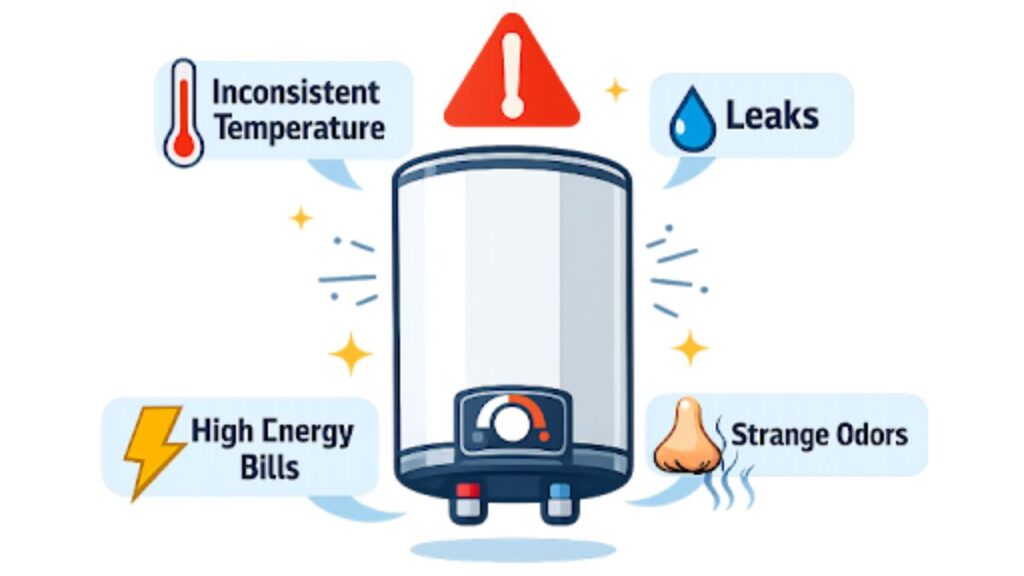
Sudden changes or fluctuations in water temperature often indicate problems with your water heater’s thermostat or heating element. Over time, minerals in your water can accumulate and settle in the heater’s tank, forming a layer of sediment around heating components. This sediment acts as insulation, leading to erratic heating and unreliable water temperature. Keeping these components clean through regular maintenance checks will help your water heater run more efficiently and deliver steady, comforting hot water whenever you need it. For further details on maintenance, visit HGTV’s advice section.
Reduced Hot Water Supply
If your household suddenly has less hot water available, it is likely due to sediment buildup inside the tank. This buildup decreases the available space for heated water, reducing the system’s capacity and efficiency. The key to preventing this issue is flushing the tank as part of annual maintenance. If you notice that your water never seems hot enough or you run out of hot water much faster than usual, it may be time to assess your unit for signs of aging or damage inside the tank.
Unusual Noises
Rattling, popping, or banging sounds from your water heater are typically caused by sediment heating at the bottom of the tank. As mineral deposits harden, they force your heater to work harder each cycle and create distinctive noises. Ignoring these sounds could result in a shorter heater lifespan or significant repair needs. Regular draining and flushing of your unit can prevent sediment accumulation and keep your heater running smoothly.
Discolored Water
Rusty, brown, or discolored water from your hot water taps indicates corrosion in the water heater’s tank or its anode rod. This is a warning sign that the inner lining may be degrading, which could eventually cause leaks or contamination of your hot water supply. Acting quickly to address discoloration protects your home’s water quality and your health.
Water Leaks
Visible water pooling around your heater, damp patches on the floor, or moisture accumulating on pipes are signs of leaks. Even a small, slow leak can cause major damage to flooring, walls, and surrounding structures over time. Catching leaks early and seeking professional repairs minimizes the risk of costly water damage to your home.
Age of the Water Heater
Most traditional water heaters are designed to last 8 to 12 years, depending on usage and maintenance. If your heater is nearing or exceeding this lifespan, it becomes more prone to inefficiency and potential breakdowns. Planning a replacement for an older unit before it fails completely is a smart move, ensuring continuous comfort and avoiding unplanned emergencies. You can learn more about water heater lifespans and factors that affect their longevity at Consumer Reports.
Increased Energy Bills
When a water heater starts consuming more energy, your utility bills will reflect the change. A sudden rise in energy costs without an increase in hot water use often suggests your unit is working harder to deliver the same comfort levels. This may be caused by sediment buildup, outdated technology, or failing heating elements. Keeping an eye on your bills and comparing them month by month can help you detect problems before they worsen.
Foul Odors
Strange smells, such as rotten-egg or metallic odors, indicate bacterial growth or issues with the heater’s anode rod. These odors not only affect your water quality but can also signal serious tank problems. Flushing your system and seeking professional assessment can usually resolve the problem and ensure safe, pleasant-smelling hot water for your home.
By regularly monitoring your water heater and addressing any issues as soon as they appear, you safeguard your comfort and investment. If you notice any warning signs, do not hesitate to reach out to a skilled professional for an inspection and any necessary repairs. Prioritizing water heater care helps maintain consistent hot water for your family and protects your home from unnecessary damage.